
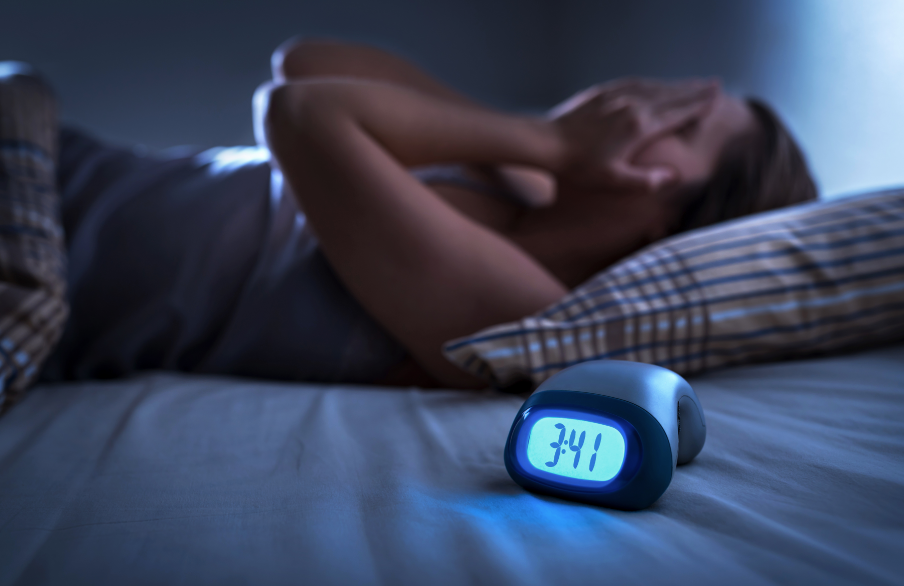
Sleep apnea is a common sleep disorder in which a person’s airway becomes partially or completely blocked during sleep. This can lead to disrupted sleep, fatigue, and other health problems. One lesser-known consequence of sleep apnea is its connection to oral health, particularly gum disease. Understanding this link can help patients protect both their sleep and their smiles.
How Sleep Apnea Affects Oral Health
People with sleep apnea often breathe through their mouths while sleeping. Mouth breathing can dry out the tissues in the mouth, reducing saliva production. Saliva is essential for neutralizing acids and washing away food particles and bacteria. Without adequate saliva, “bad” oral bacteria can thrive, creating an environment that promotes inflammation and infection in the gums.
Studies have shown that individuals with sleep apnea are more likely to develop periodontal disease, or gum disease, than those without the condition. Gum disease occurs when bacterial plaque builds up along the gumline, causing inflammation, bleeding, and, in severe cases, tooth loss. Mouth breathing during sleep makes it easier for these harmful bacteria to grow, which increases the risk of developing gum problems over time.
The Risks of Untreated Sleep Apnea
If left untreated, sleep apnea not only affects your overall health but also your oral health. People often ask, what are the risks of untreated sleep apnea? Beyond daytime fatigue and cognitive difficulties, untreated sleep apnea can contribute to high blood pressure, heart disease, and diabetes. For oral health specifically, it increases the likelihood of developing moderate to severe gum disease. Over time, this can lead to tooth decay, gum recession, and even tooth loss.
Additionally, untreated sleep apnea may worsen existing gum problems. The combination of mouth breathing, dry mouth, and bacterial overgrowth creates a cycle where gum disease and sleep apnea negatively reinforce each other. This makes early diagnosis and management essential for preserving oral health.
Treating Sleep Apnea to Protect Your Gums
Proper treatment of sleep apnea can have significant benefits for oral health. Continuous Positive Airway Pressure (CPAP) therapy, oral appliances, and lifestyle changes can help maintain open airways during sleep. These treatments reduce mouth breathing, improve oxygen intake, and create a healthier environment in the mouth.
Maintaining good oral hygiene is also critical for patients with sleep apnea. Brushing twice daily, flossing regularly, and attending routine dental checkups can help manage bacterial growth and protect the gums. Dentists may recommend additional therapies for patients with both sleep apnea and gum disease to ensure their oral and overall health are optimized.
Addressing sleep apnea early can prevent long-term gum damage and improve overall quality of life.
About the Practice
Serene Sleep Solutions in Daytona Beach specializes in the diagnosis and treatment of sleep apnea, providing patients with personalized therapy options to improve both sleep quality and oral health. Dr. Lloyd works closely with patients to create tailored treatment plans, including CPAP therapy, oral appliances, and guidance on lifestyle modifications. By addressing sleep apnea and its oral health impacts, Serene Sleep Solutions helps patients maintain healthy gums, reduce dental risks, and enjoy more restful nights.
Call us at (386) 253-0115 or request an appointment online.