
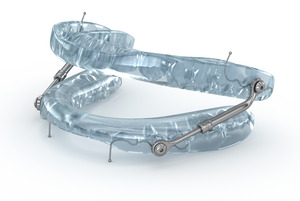
A customized oral appliance can often be an effective way to treat mild to moderate sleep apnea. However, when you first start wearing one of these devices, there will be a bit of an adjustment period. Until your body gets used to your appliance, it may feel somewhat strange in your mouth. Below is a closer look at what you can expect during this period as well as what you can do to make sure that the adjustment goes smoothly.
What Challenges Might You Notice with a New Oral Appliance?
A new oral appliance will likely feel a bit tight in your mouth. This is actually a good sign since it means that the appliance fits snugly over your teeth and is unlikely to fall out by accident. Nevertheless, you may experience some discomfort during the initial adjustment period.
On top of that, since your body can’t tell the difference between an inedible object and a piece of food, wearing your oral appliance may trigger the production of extra saliva. Consequently, you might find yourself drooling more than normal.
In some cases, your oral appliance might cause you to gag at first. This is especially the case for individuals with unusually strong gag reflexes.
Finally, there’s a chance that you might end up taking off your oral appliance while you’re asleep. It’s not unheard of for some patients to throw their appliance across the room.
How Can You Adjust to Your Oral Appliance?
Adjusting to your oral appliance is simple; all you need to do is keep wearing it every night. The more often you wear it, the easier it will be for your brain to block out the sensations it causes. You can potentially speed up the process by wearing your oral appliance for short amounts of time during your waking hours.
The adjustment process typically takes around two to three weeks. The challenges listed above should gradually fade away on their own over time. Eventually, you should reach the point where you’re able to comfortably wear your oral appliance without worrying about gagging, drooling, or involuntary nighttime removals.
What If You Don’t Seem to Be Adjusting?
If three weeks have already passed and you’re still having trouble with your oral appliance, you should make an appointment with your sleep dentist. They can take a look at your appliance and determine whether it needs to be adjusted or replaced entirely.
Remember, wearing an oral appliance can go a long way toward reducing sleep apnea symptoms and improving the quality of your sleep. As such, while it takes time to adjust to a new oral appliance, you’re likely to find that the process is well worth it in the end.
About the Author
Dr. David R. Lloyd went to the Emory University School of Dentistry, and he completed a General Practice Residency program at Naval Hospital-Oakland. He is an American Academy of Dental Sleep Medicine-qualified dentist who has been able to help many patients improve their sleep-disordered breathing with customized oral appliances. If you need the help of a sleep dentist to treat sleep apnea, you can schedule an appointment with Dr. Lloyd at Serene Sleep Solutions in Daytona Beach by visiting his website or calling (386) 253-0115.