
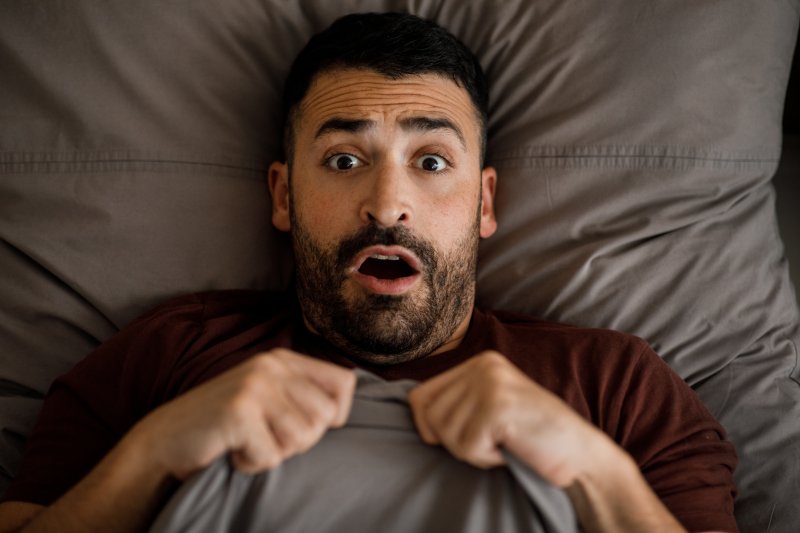
Bedwetting in adults is rarely talked about because it can feel deeply embarrassing to share with anyone—including professionals. Many adults assume it’s brought on by choices they made and is simply something they have to live with. In reality, adult bedwetting often has a medical cause. One possible (and often overlooked) connection is sleep apnea. Keep reading to see how understanding this link can bring relief and real solutions.
Know That You’re Not Alone
First, it’s important to know that adult bedwetting is more common than most people realize. You may not hear about it, but that’s because there’s a stigma surrounding it, and many adults suffer in silence. Bedwetting is a symptom, not a character flaw, so there’s no shame in reaching out for help. This is especially true if you notice other issues affecting your sleep.
What Is Sleep Apnea?
Sleep apnea is a sleep disorder where breathing repeatedly stops and starts during the night. These pauses, known as “apneas,” reduce oxygen levels and force your body to wake up briefly to resume breathing. Many people with sleep apnea snore loudly, wake up gasping, or feel exhausted despite a full night’s sleep.
If left untreated, sleep apnea can increase the risk of other health issues, like heart disease, high blood pressure, and diabetes. This is why sleep professionals always recommend getting treatment sooner rather than later.
How Are Sleep Apnea and Bedwetting Connected?
During episodes of sleep apnea, your body experiences stress from low oxygen levels. This stress can trigger the release of a hormone that increases urine production at night. At the same time, repeatedly having your sleep interrupted can interfere with your brain’s ability to sense a full bladder. The result is a perfect storm for nighttime accidents, even in adults who have otherwise never experienced bedwetting before.
Why Talking to a Sleep Dentist Can Help
Sleep dentists are trained to screen for signs of sleep apnea, and some offer take-home sleep tests that can help you get a diagnosis. Once you have confirmation, your sleep dentist can offer treatments like CPAP (Continuous positive airway pressure) machines and oral appliances.
It may feel uncomfortable to bring up bedwetting, but addressing it quickly can improve both your sleep quality and overall health. Sleep apnea is treatable, and many patients see improvement in nighttime symptoms soon after they begin. If you suspect sleep apnea is putting a damper on your sleep quality, call your sleep dentist to schedule a consultation. One phone call can save your health and end your embarrassment.
About the Author
Dr. David R. Lloyd is a third-generation Daytona Beach dentist and an experienced sleep apnea treatment provider. A graduate of Emory University School of Dentistry, he is qualified by the American Academy of Dental Sleep Medicine and helps adults find effective, non-invasive solutions for sleep apnea to improve restfulness and reduce associated symptoms. Call (386) 253-0115 to schedule a sleep apnea consultation at Serene Sleep Solutions or visit our website to explore our services.